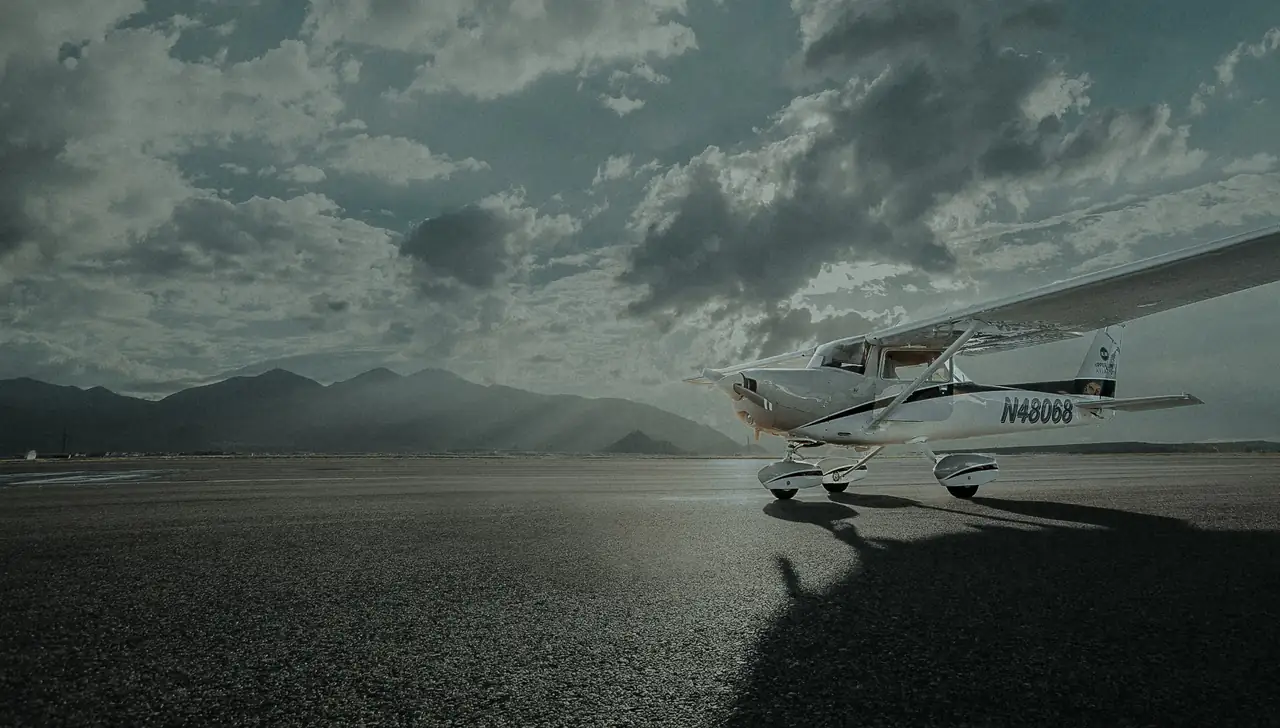
300+ days of Utah sky are your classroom
From first discovery flight to commercial certificate. One clear path, one team, one Utah airport.
Schedule a Discovery FlightTraining, fly-outs, and what comes after
FAA-approved pilot training from private through commercial at SVR. Utah's mountain valleys and desert terrain keep you flying, and after the checkride, rentals, time building, and fly-outs are part of life on the field.
Private through commercial at South Valley Regional. FAA-approved training with Stratus financing options.
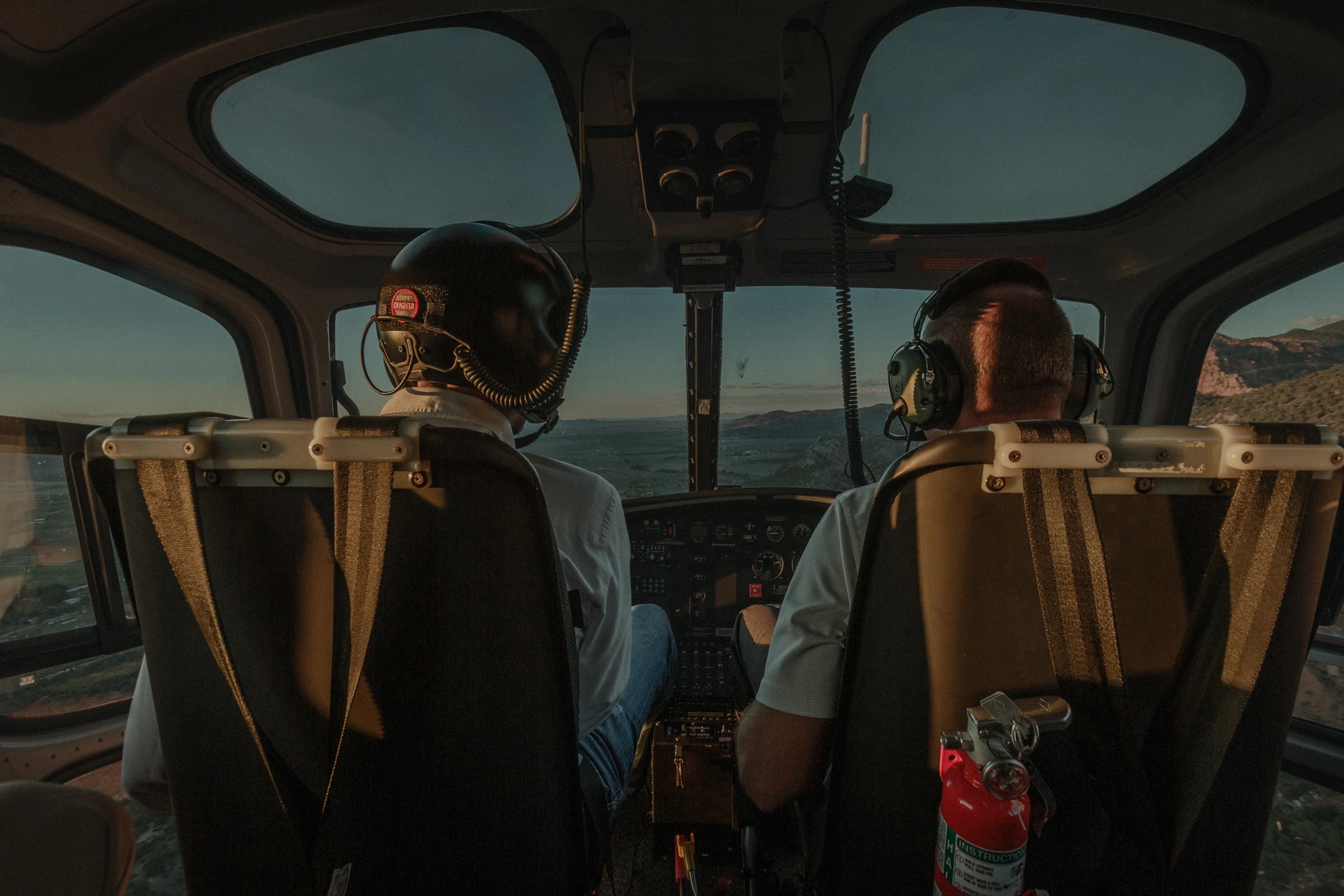
Mountain valleys and desert terrain around the Wasatch Front. The flying that comes with training in Utah.
Free Saturday study groups at 9 AM and twice-monthly instructor meetings. Flight Club membership for certificated pilots after the checkride.
Breakfast in Moab, an afternoon over the Salt Flats. Destinations within reach from SVR once you have the certificate.
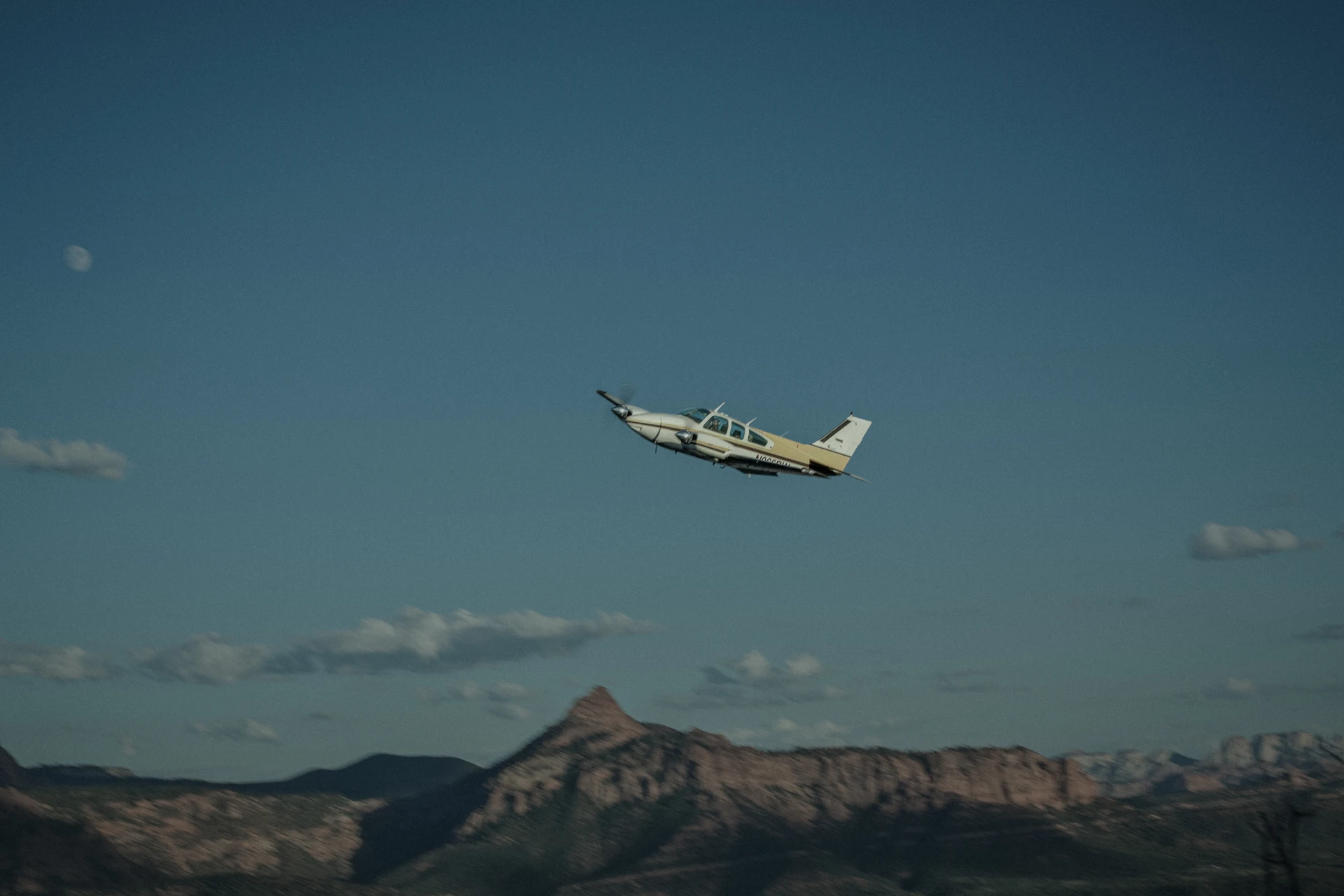
One clear path, every rating
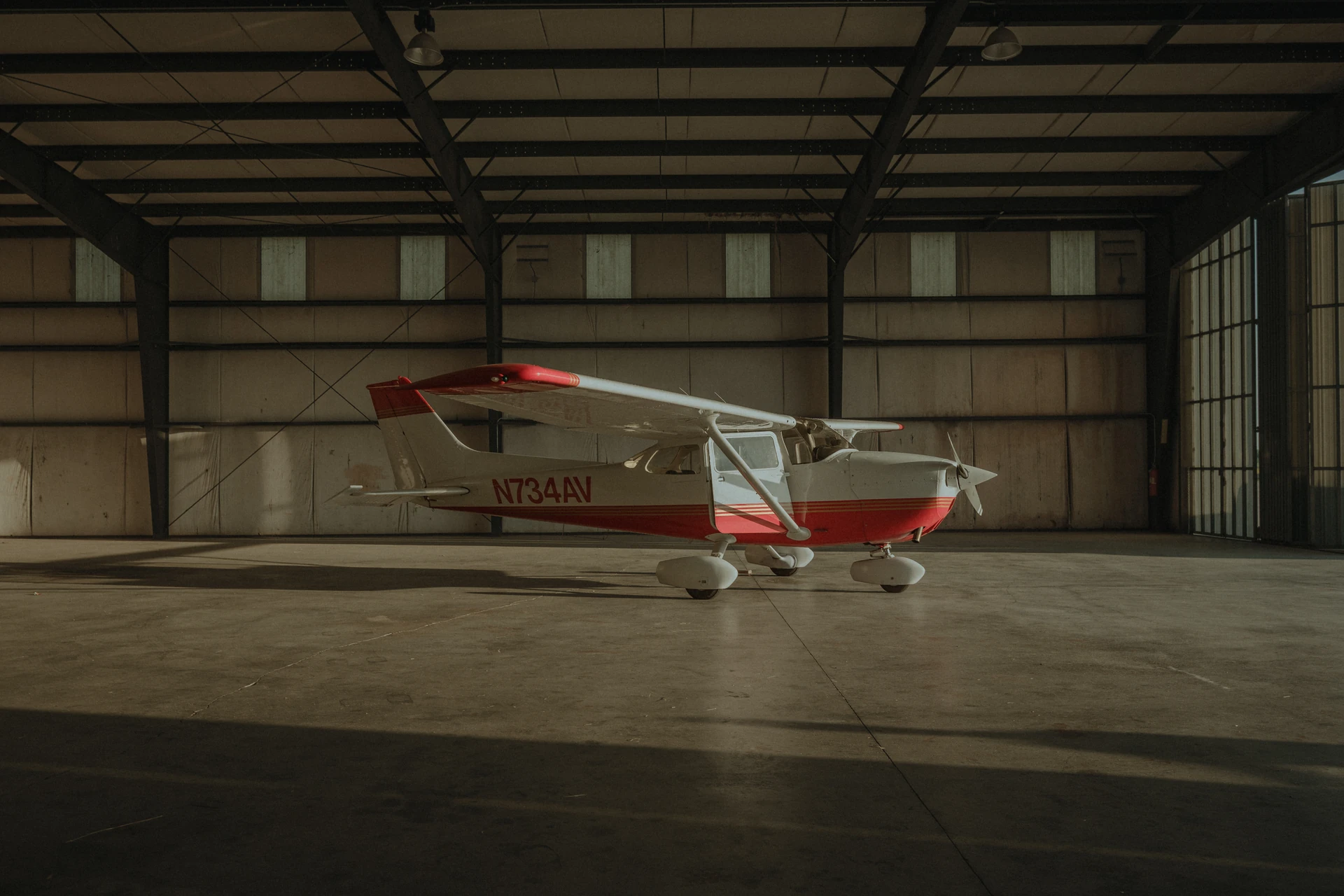
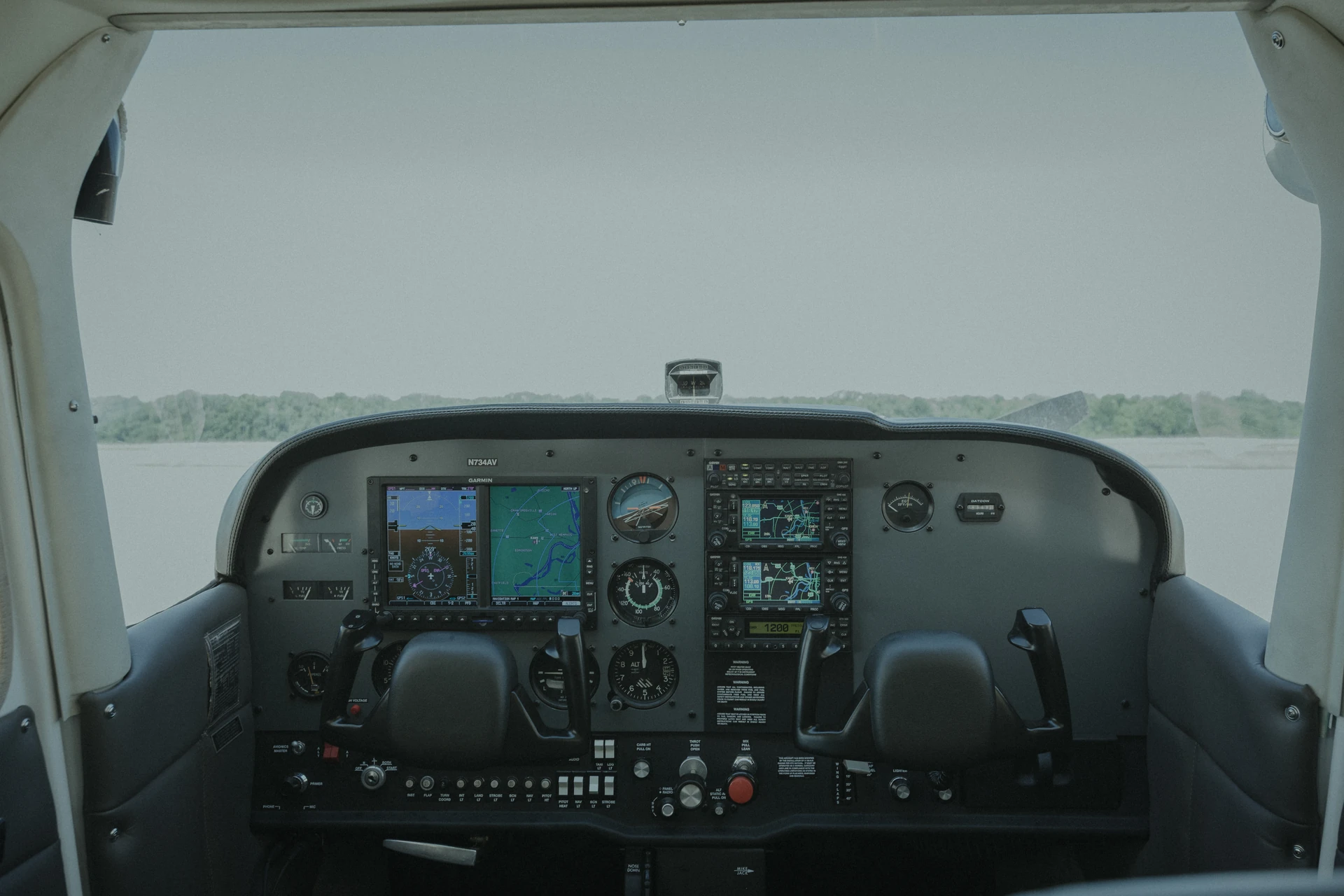
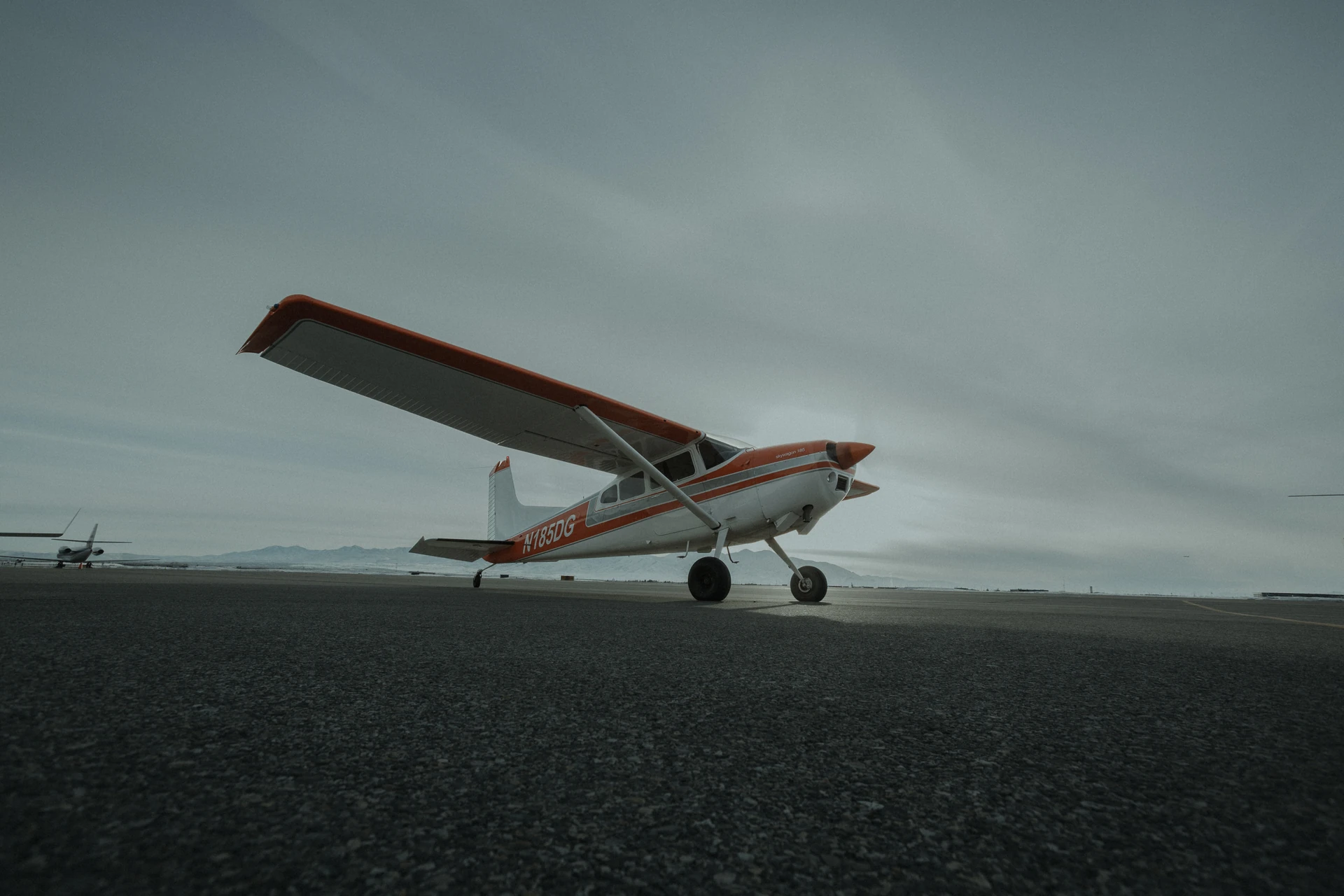
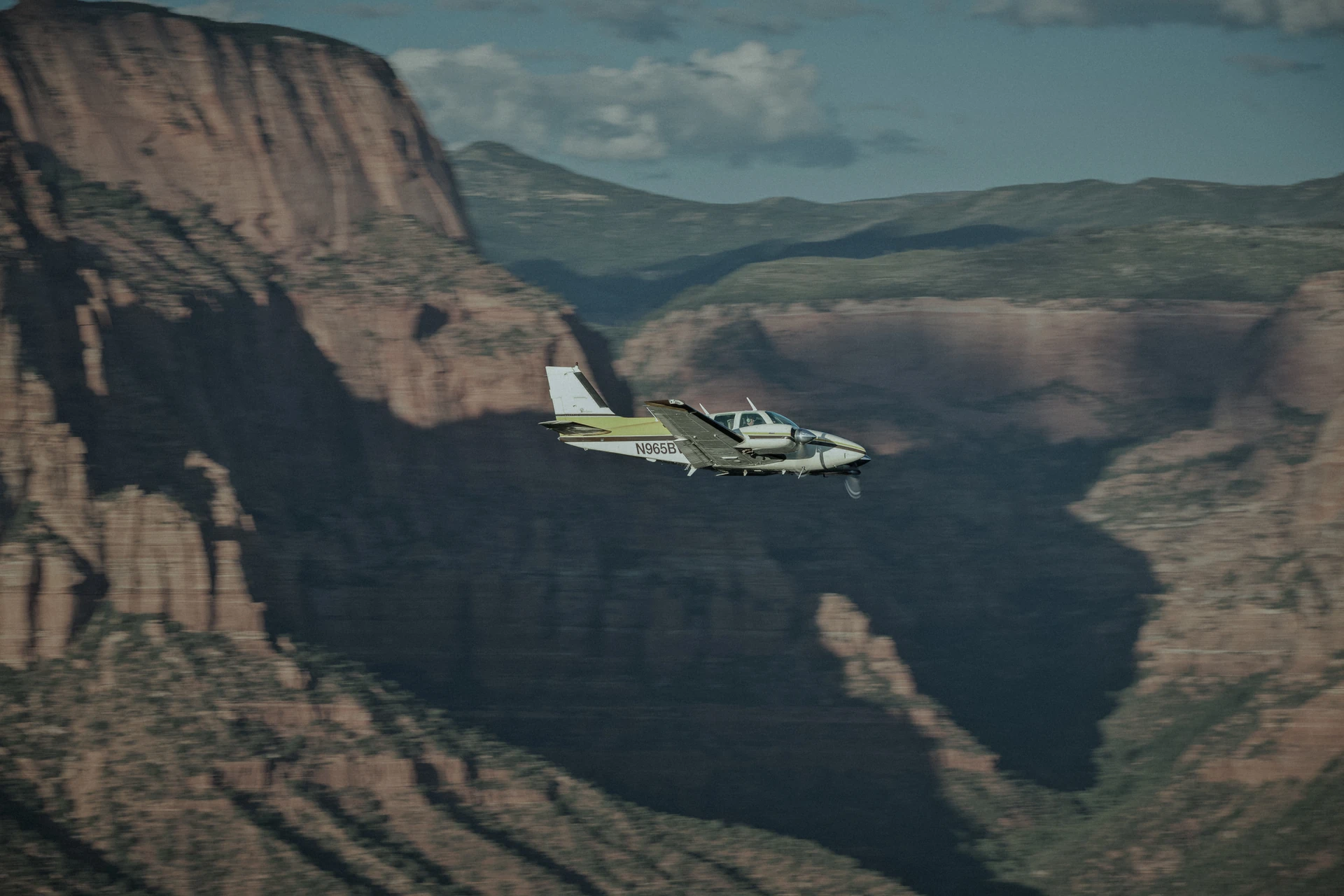
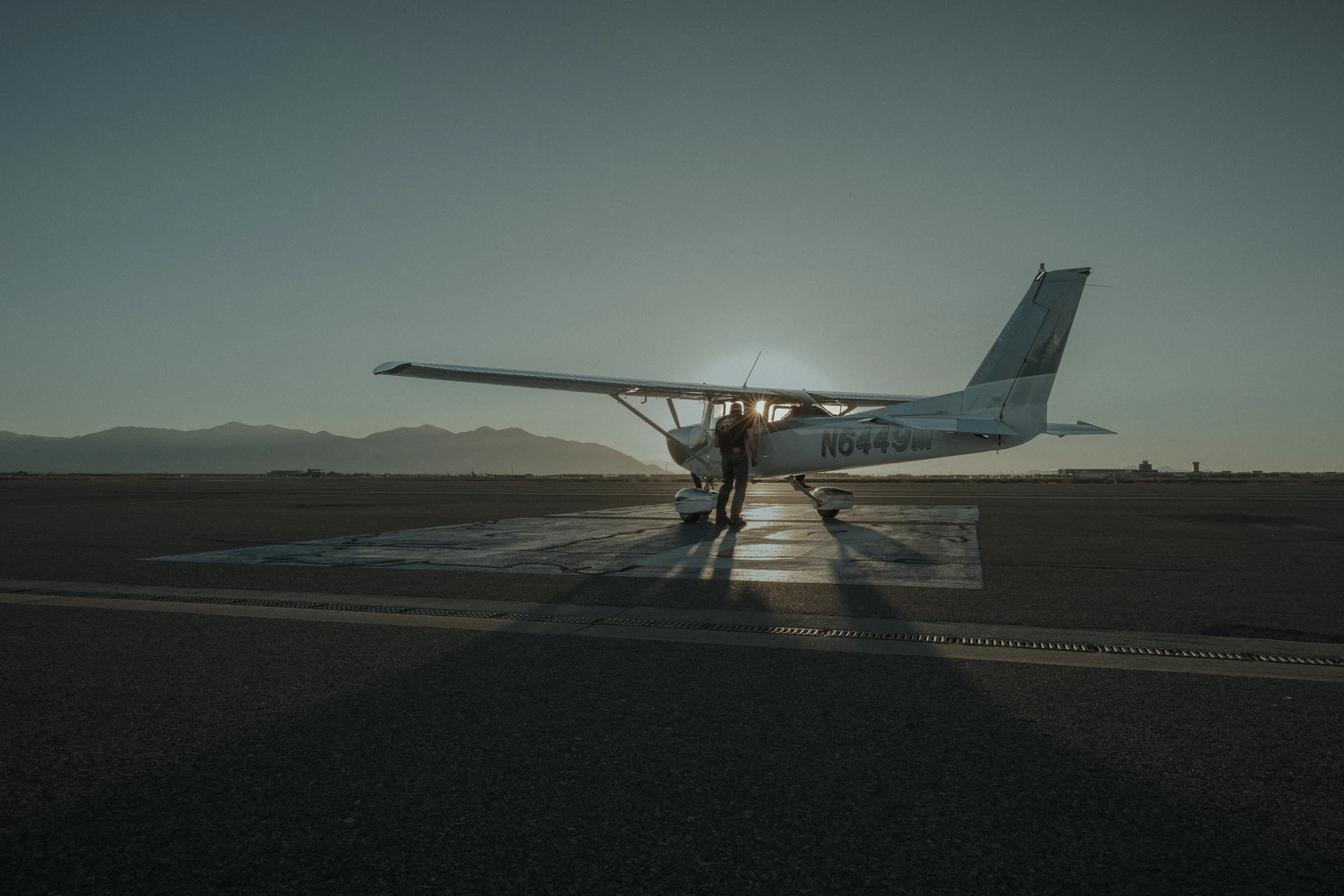
Certificates, hours, and a record employers review.
Train through CFI, build paid hours instructing, then apply. All on one field:
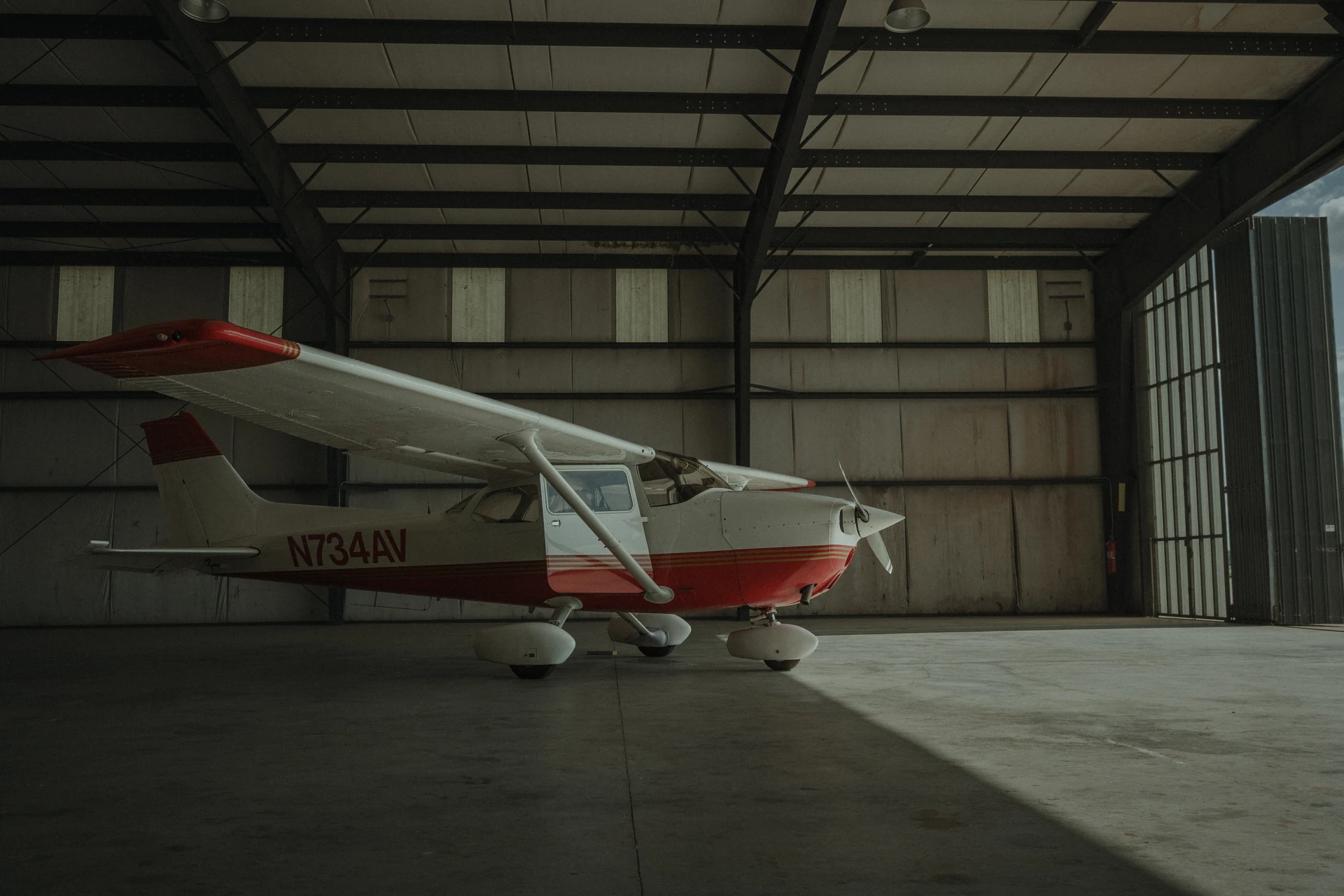
Keep flying after the checkride.
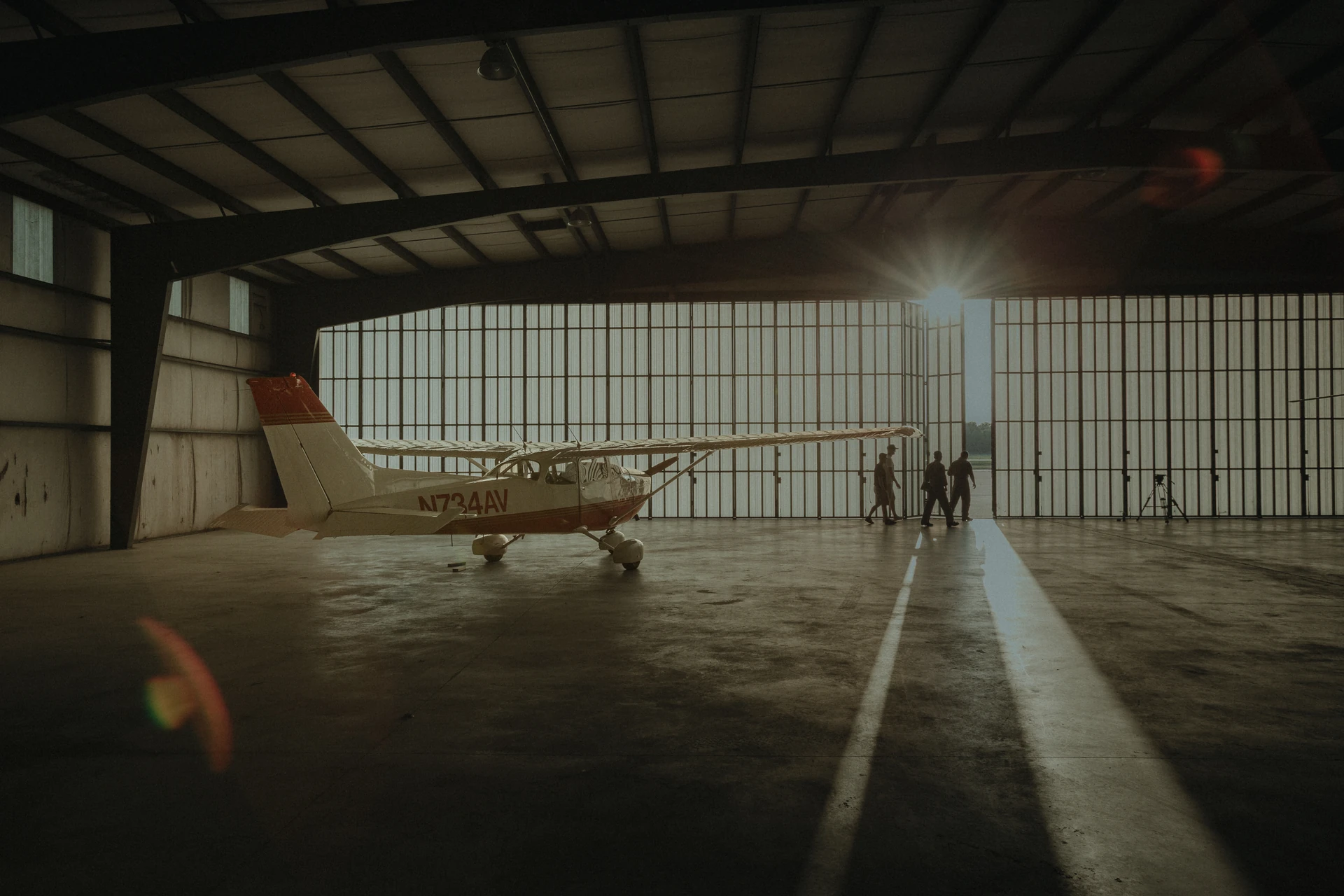
ULA Flight Club is for certificated pilots who want more than occasional rental: a $99.00 monthly membership with aircraft-specific prepaid blocks and club rates on a maintained fleet at South Valley Regional. Fuel is not included.
Better pilots come from harder sky
See Why UtahHigh density altitude, mountain valleys, desert terrain. Skills only this training environment can build.
More time in the air, less time waiting on weather.
Towered and non-towered fields, busy Class B nearby. Real-world radio work from day one.
FAA-approved pilot school at SVR in West Jordan. Instruction $75/hr, C172 $185/hr, C152 $140/hr. Training pilots in Utah since 2003.
The questions every future pilot asks
Is ULA an FAA-approved pilot school?
Yes. ULA is an FAA-approved pilot school, and the FAA reviews student records, pass rates, and aircraft maintenance. Published package pricing is Part 61. An FAA-approved curriculum is available for VA and international students. We'll help you choose which fits your goals.
How much does flight school really cost?
Published rates: discovery flight $185, instruction $75/hr, Cessna 172 $185/hr, Cessna 152 $140/hr. Totals vary by certificate and how often you fly. See rates and financing.
Do I need a medical certificate before I start?
No. Most students begin training before getting an FAA medical. Get one early so any issues surface before you invest heavily. We can help you find an Aviation Medical Examiner.
What makes training in Utah different?
High density altitude, mountain valleys, and desert terrain build practical skills, and 300+ flyable days keep training on schedule.
Schedule your discovery flight
A real lesson in a real aircraft. Request a time and we confirm within one business day.
Book a Discovery Flight